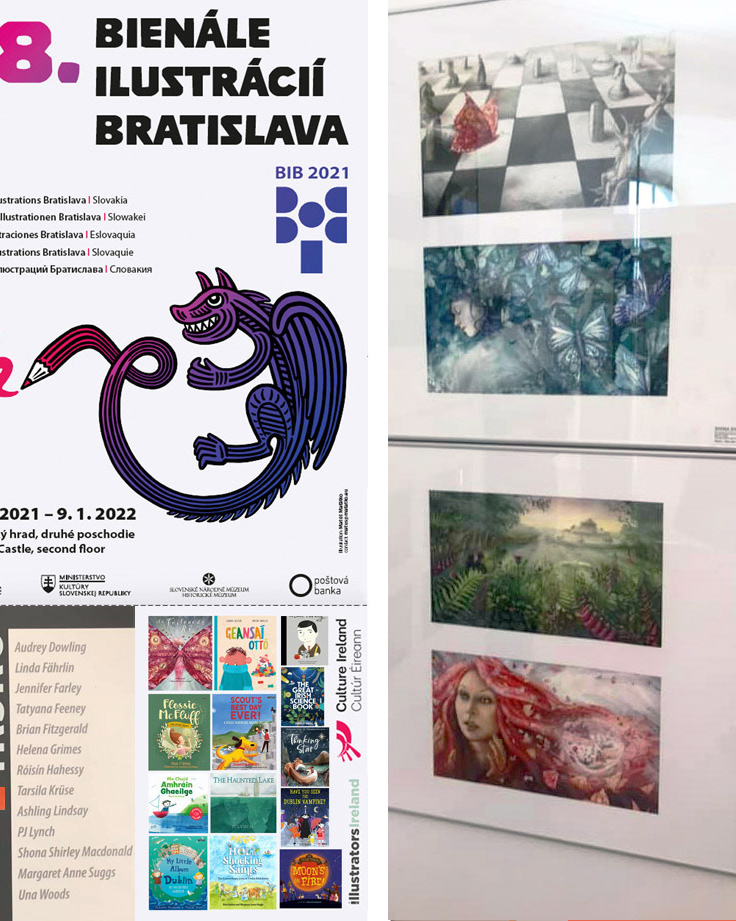
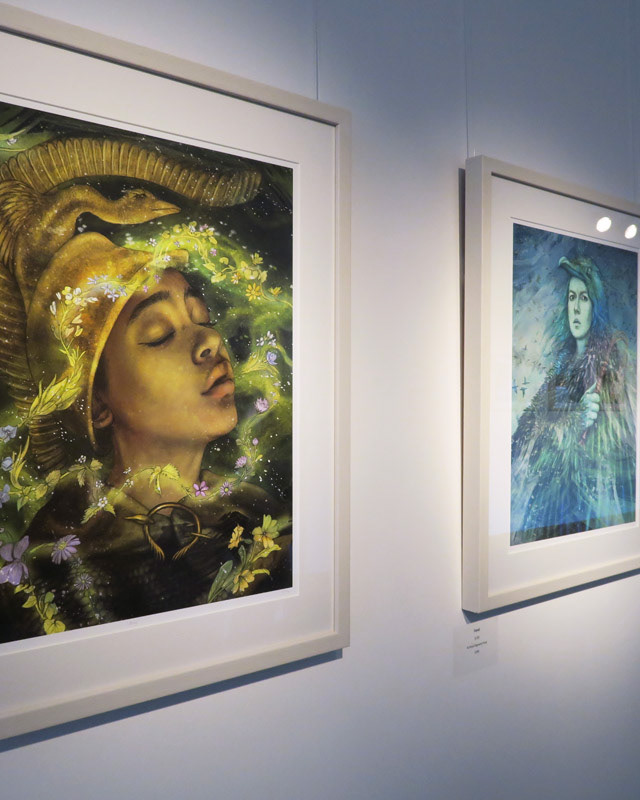
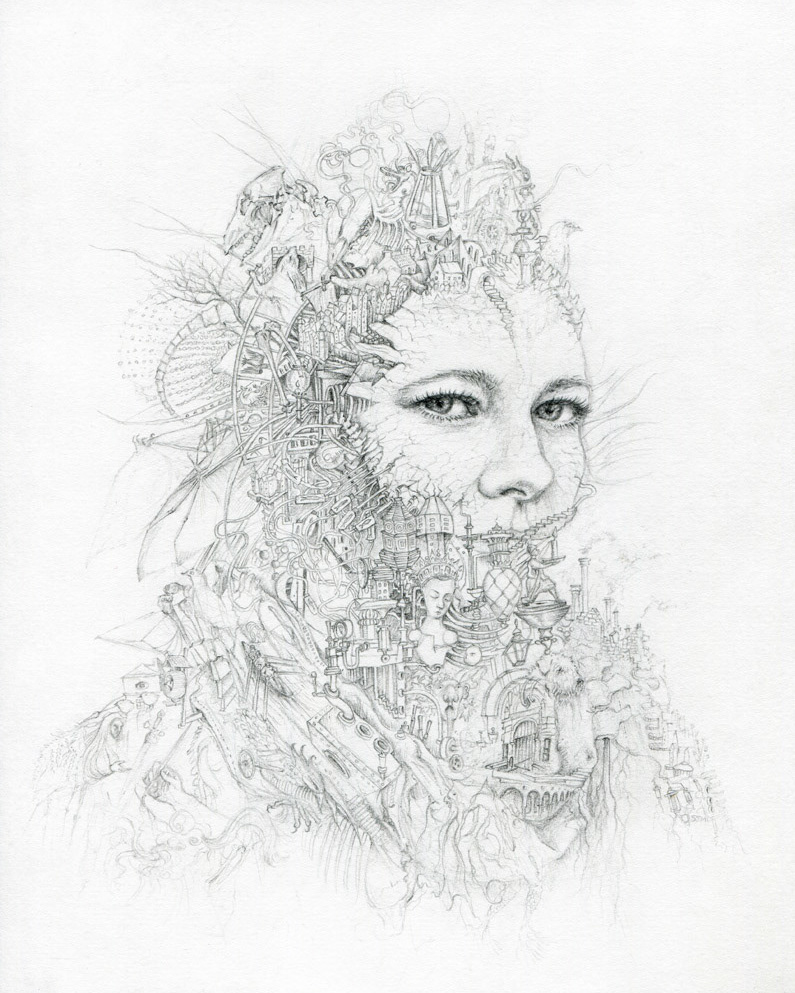
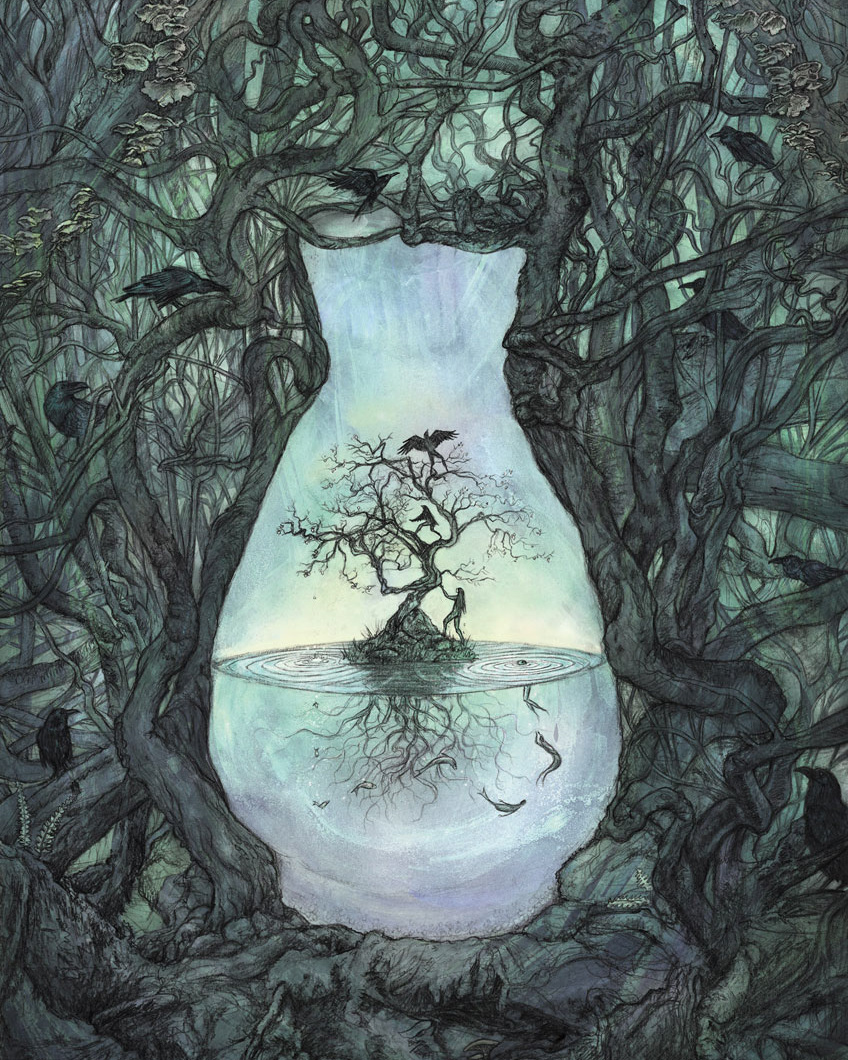
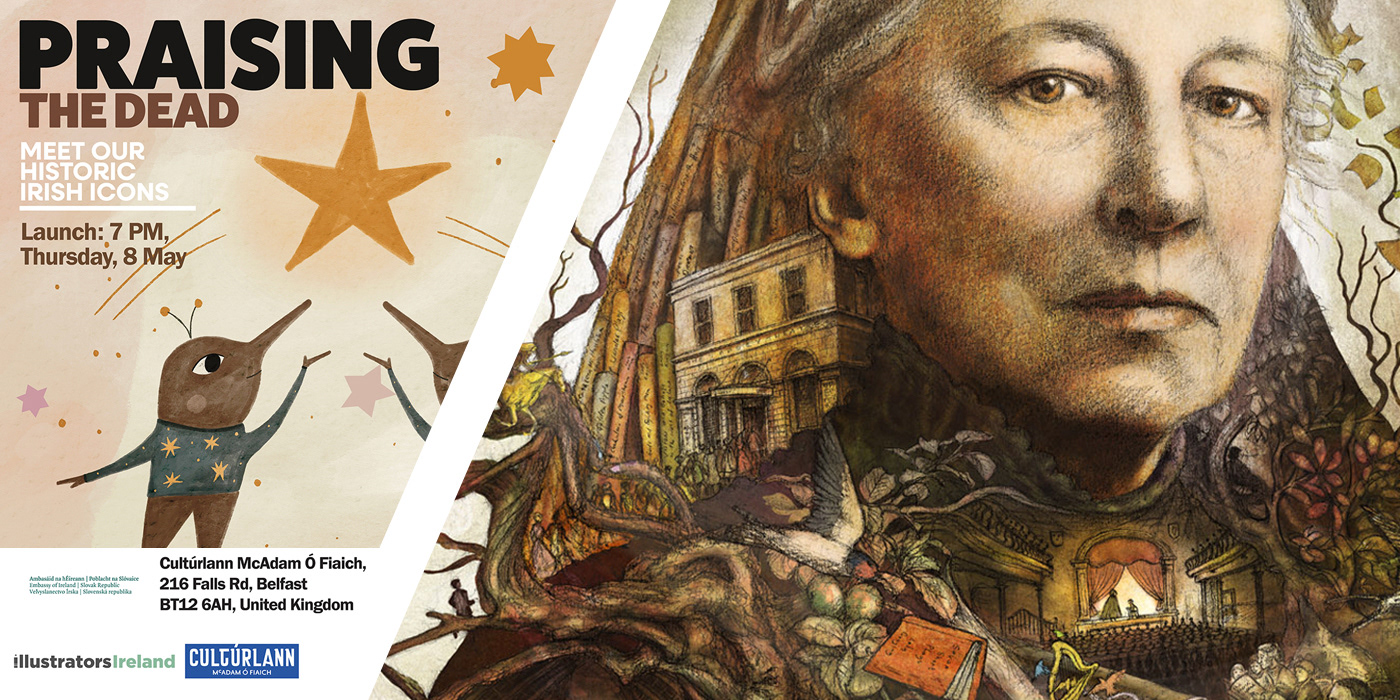
This exhibition was an exploration of the theme of remembrance, by honouring and bringing to life iconic figures from Irish history through art, created by members of Illustrators Ireland. On show from 8 May to 13 June 2025 in the Cultúrlann in Belfast.
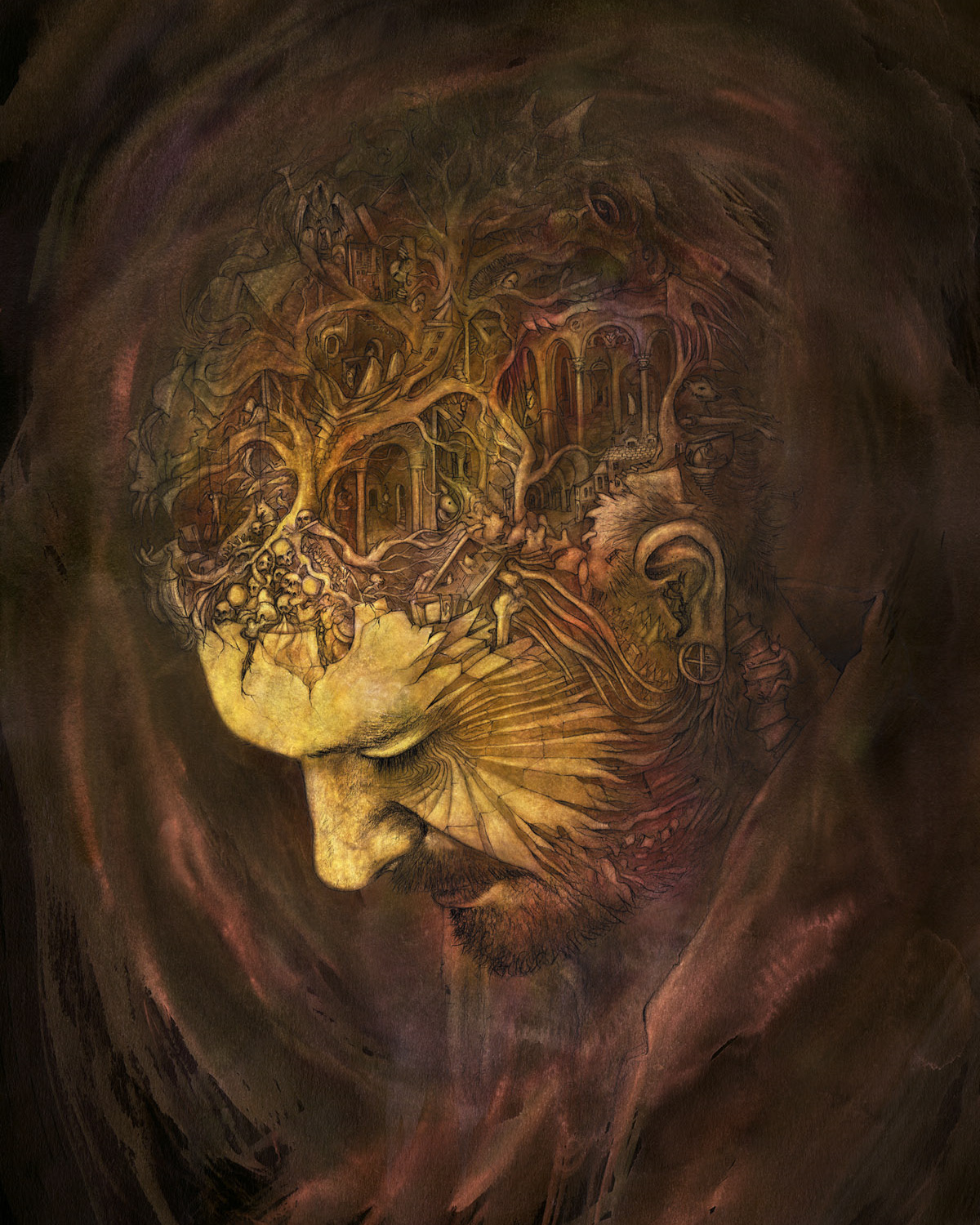
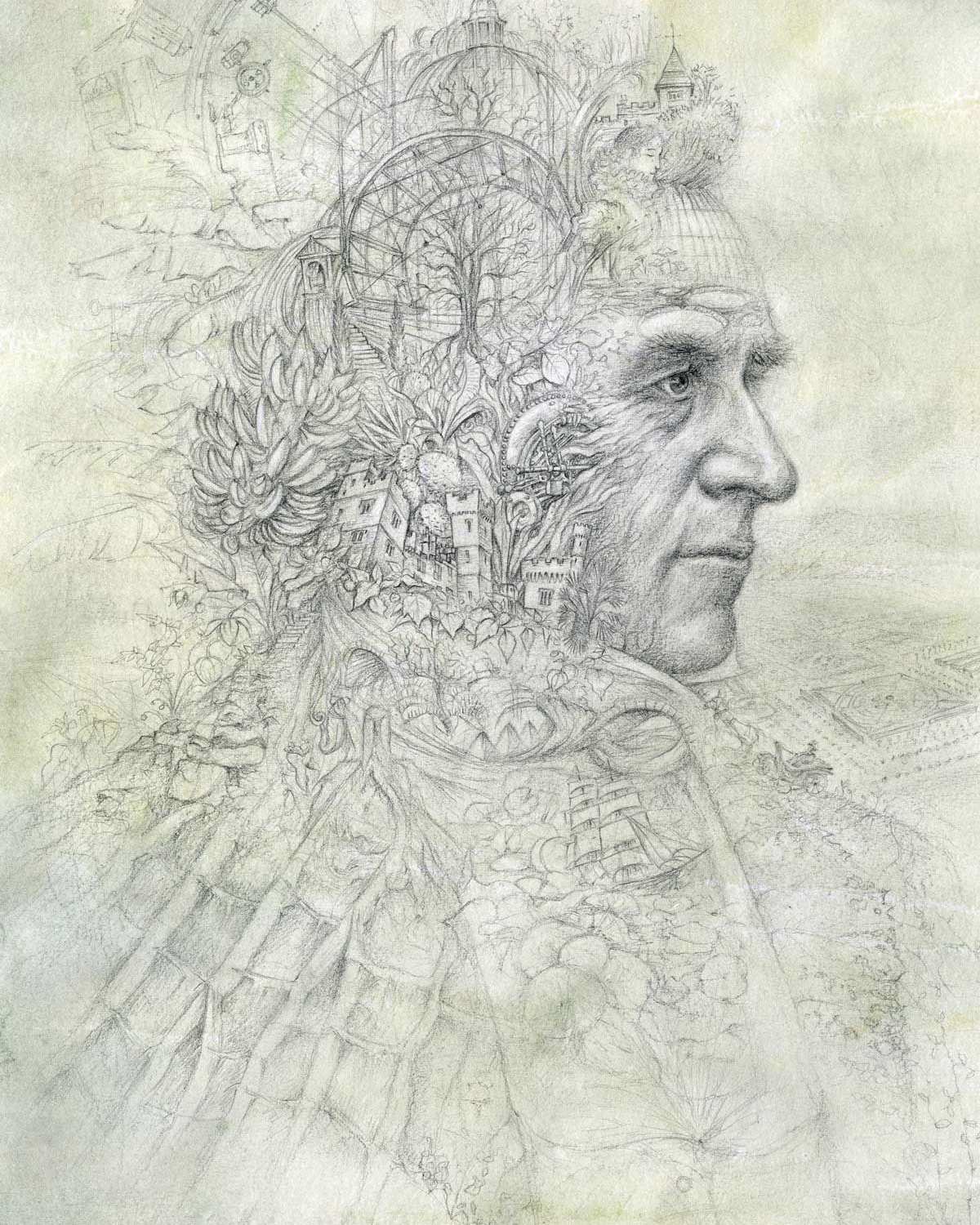
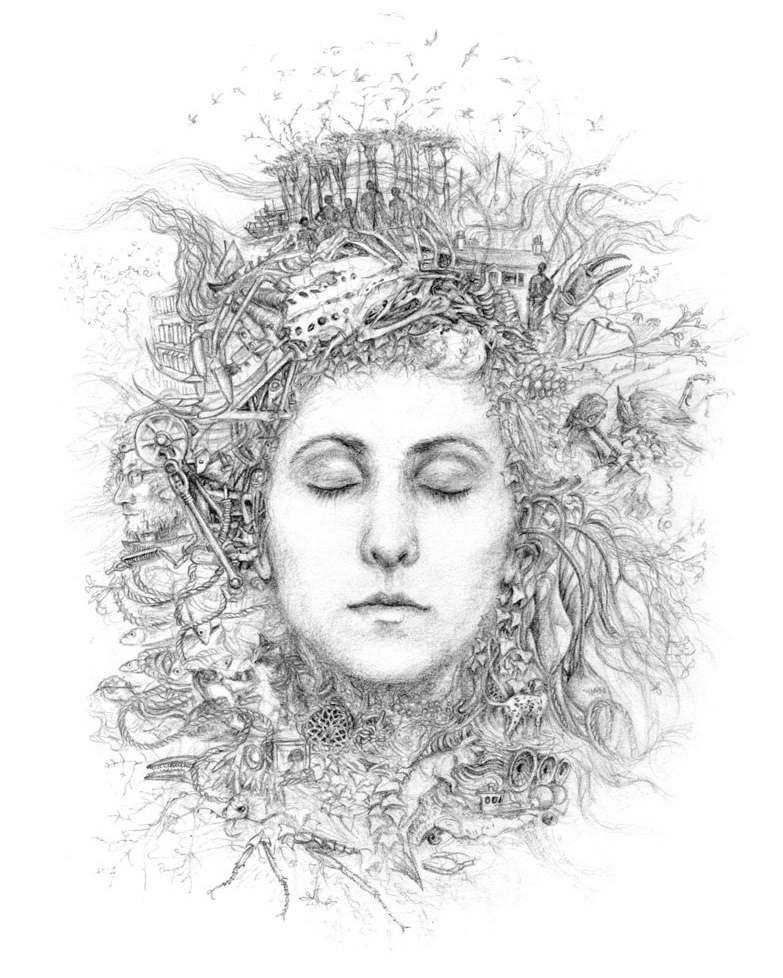
I decided to create a portrait of Lady Augusta Gregory, because I knew she had translated and re-written Irish myths, and had influenced the Celtic Literary Revival, and I wanted to find out more. I read Judith Butler's book 'An Irish Life' which was an in depth account and revealed a very complex, intelligent and driven individual, mostly admirable and sometimes not. She deliberately kept herself in the background, working away and pulling the strings but reluctant to take centre stage herself - although occasionally she did.
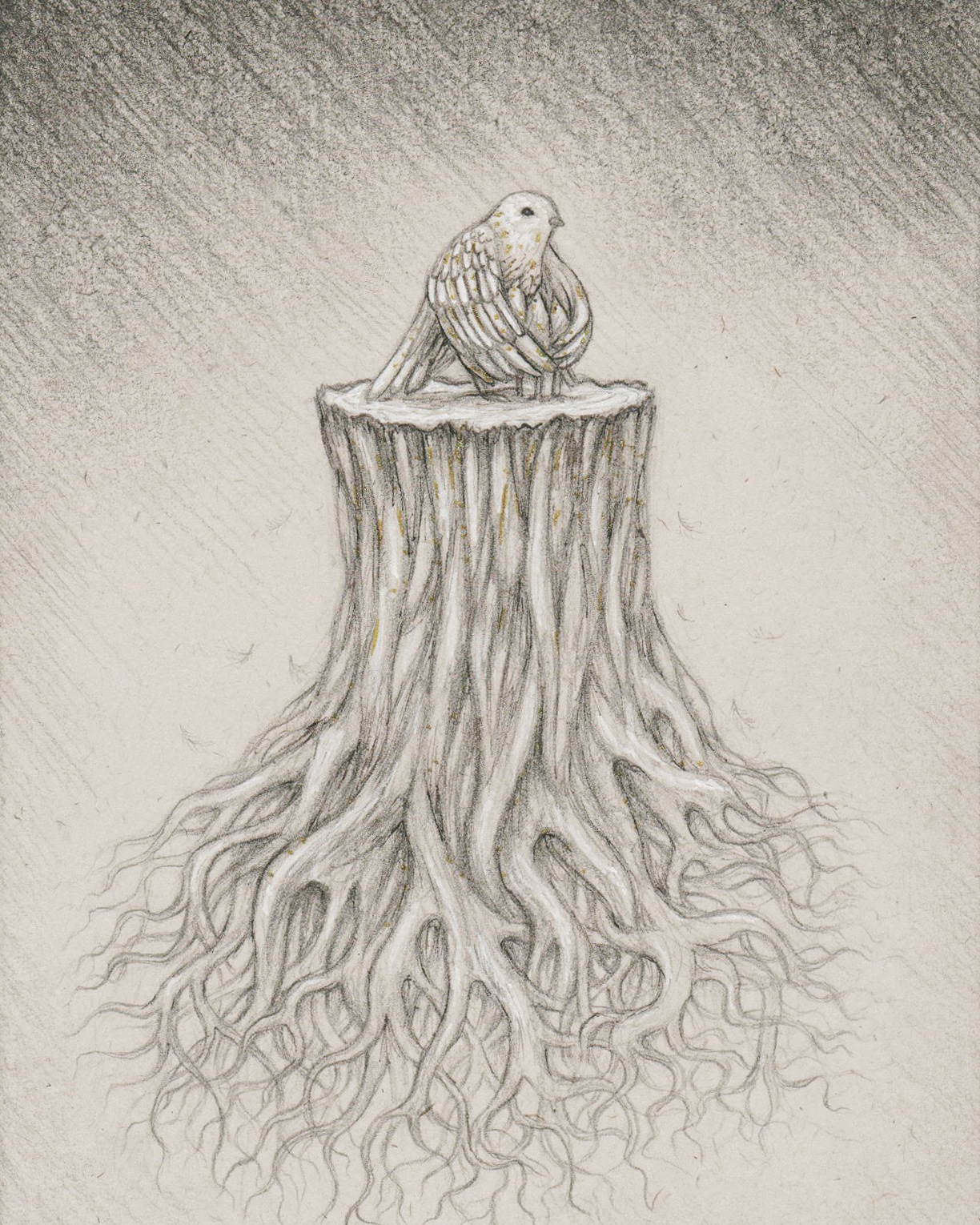
Alongside her artistic and cultural work, the trees at Coole Park are also part of her legacy. She planted thousands of them (with a lot of help presumably), and many still remain even though the house is now gone.
Many thanks to the Cill Rialaig residency, where I worked on this piece in February. (more info below)
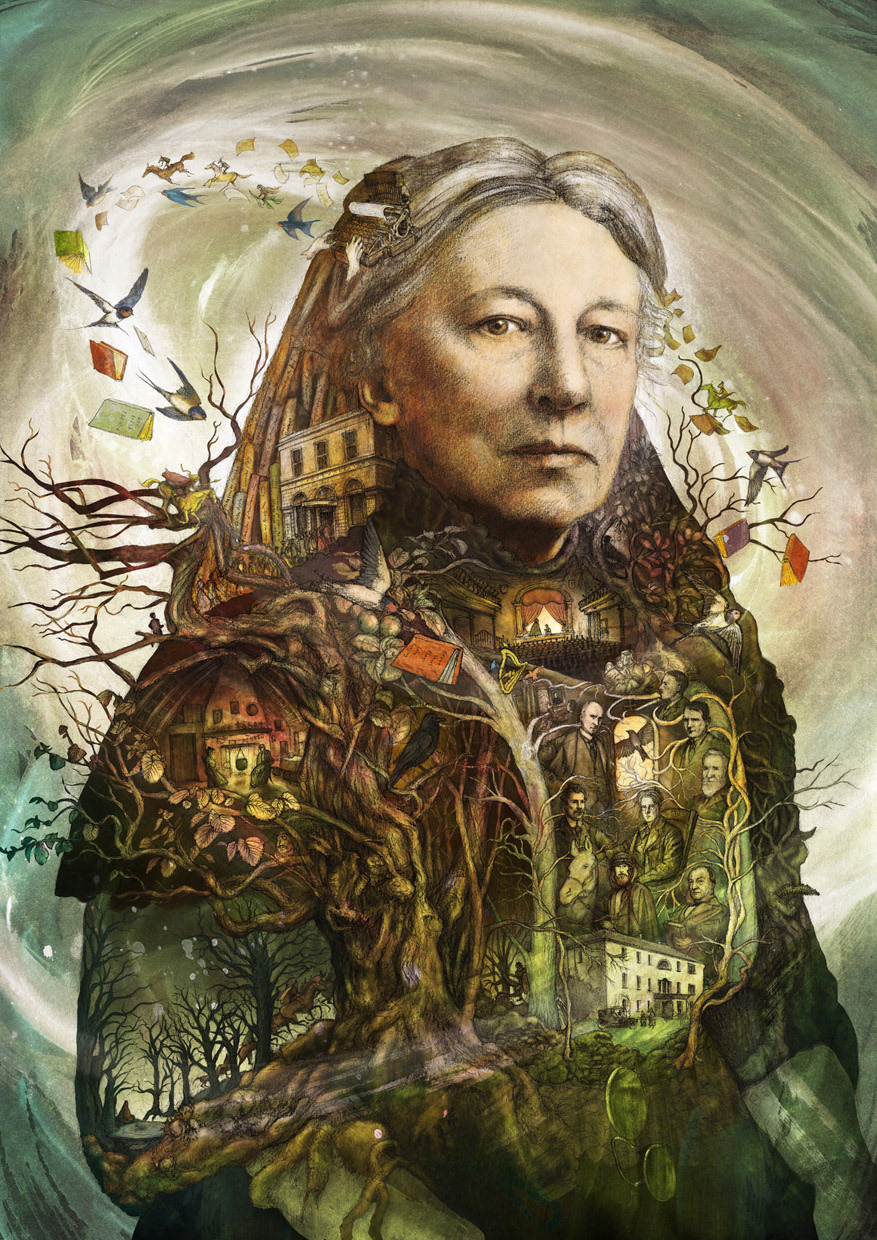
Lady Augusta Gregory (1852-1932, County Galway) was an instrumental figure in the Irish Literary Revival, a prolific writer, playwright, folklorist, co-founder of the Abbey Theatre, theatre director, translator, and influential patron.
But of course no-one's life can be summed up in a sentence like that.
Still, here are some of the things her contemporaries said of her:
According to John Butler Yeats, ‘courage was her gift of nature’.
(Perhaps in relation to her stoic response to the several operations she had for breast cancer with minimal anaesthetic, or maybe due to continuing on with the Playboy of the Western World show in the USA despite protests, arrests of the actors and even a death threat directed against herself.)
George Bernard Shaw said she was ‘the greatest living Irish woman’. (They were friends, but this quote relates to her fighting against censorship to make sure his play was performed!)
John Quinn (Lawyer, art collector and patron, he was her friend and briefly also lover) summed her up with, ’work to be done, purpose to be served, object to be gained’
John Millington Synge said she breathed ‘life into the dead bones of the plays’ (said of her translations I think.)
Her reputation as a playwright during her lifetime was ‘prolific…healthiest and most attractive of the writers for the theatre’ (newspaper article.)